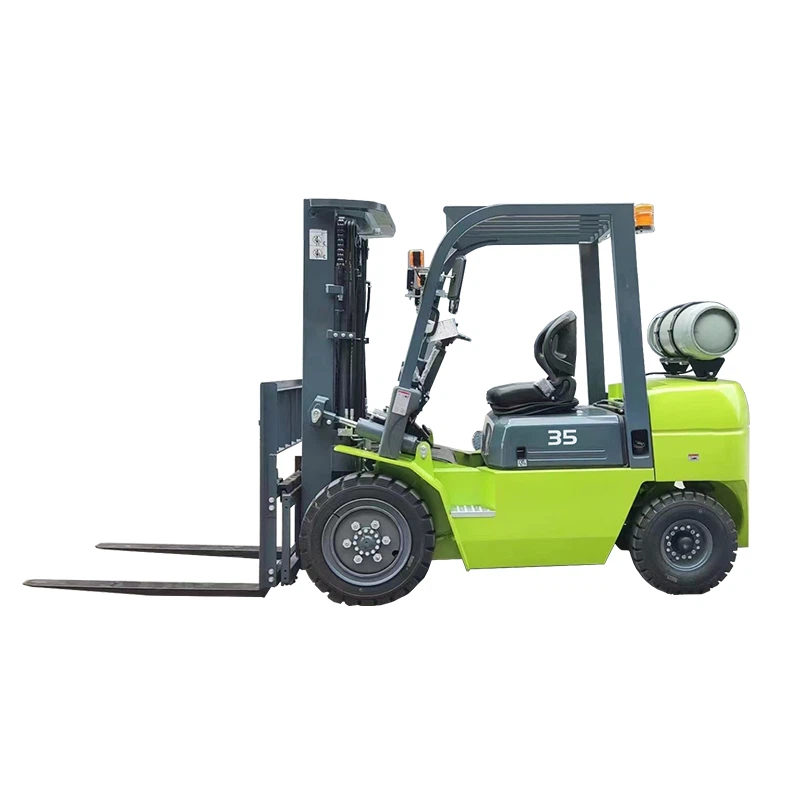


Electric Forklift vs Diesel Forklift
Both diesel and electric forklifts do the same basic job. They are both capable of lifting, loading, unloading, and moving products and materials from one place to another. They can both move large amounts of cargo in a short time. This is because they are able to lift and transport heavy objects safely. The difference between the two lies in their purpose.
Diesel forklifts are larger and more powerful and are mainly used for outdoor work. As the name suggests, they are powered by a diesel engine. As a result, they emit harmful greenhouse gases. Electric forklifts are more compact and have a smaller turning radius. This makes them better suited for warehouses and other indoor workplaces. They are powered by large batteries and do not emit any exhaust fumes. This makes them more friendly to the environment and the operator.
But there are other factors to consider when comparing diesel and electric forklifts. Let's take a look at some of the main differences that will help you decide whether to go for a diesel or electric forklift.
Diesel Forklift
Diesel forklifts are better outdoor forklifts for many reasons. Their engines offer more power than electric forklifts. They are designed and built to handle rough terrain. They can withstand weather conditions better than electric models. They are noisier than electric trucks, but this is not a problem outdoors.
One real advantage of diesel trucks is that they can work longer without running out of fuel. When the fuel runs out, it only takes a few minutes to fill the tank. Replacing the battery is a longer and more complicated process. It may take even longer if the replacement battery needs to be charged before it can be loaded onto the truck.
Diesel forklifts do not require additional space for battery charging stations. They can also be parked anywhere, rather than next to a charging station. Diesel forklifts fare far better than electric vehicles when it comes to power usage. For example, driving on a ramp will drain the electric engine faster than a diesel forklift. Adding hydraulic or other attachments to the truck will also drain the electric engine faster. The more parts that need to be powered by an electric forklift, the faster the forklift's battery and overall power will be depleted.
Can diesel forklifts be used indoors? One of the downsides of diesel forklifts is that their application is greatly limited in any indoor environment. Due to noise and toxic fume emissions, diesel forklifts require special training and certification before they can be used on any indoor job site. Even when using diesel forklifts indoors, the ventilation system must ensure constant, high-quality air flow, which many older buildings lack. Operating a diesel forklift indoors is dangerous due to the buildup of carbon dioxide. It's not impossible, but there are many barriers to the use of this type of forklift.
Some of the disadvantages of diesel forklifts include:
Higher maintenance costs – more moving parts than electric lifts
Limited maneuverability compared to electric lifts
Limited indoor use
Higher operating costs in the long run
CertifyMe.net offers forklift training that reviews everything you need to know about using a diesel forklift indoors. Our training provides a complete assessment of OSHA's confined and hazardous area learning tools.
Electric Forklifts
Electric forklifts have been around for a while. But only recently have they become popular. Rising fuel costs and increased environmental awareness have made electric lifts more popular. Today, about half of all new forklifts produced are electric!
With an electric forklift, workers don't have to breathe in toxic fumes. Lower noise levels make for a safer workplace. Diesel forklifts are so noisy that workers often can't hear each other when they're turning corners or working in blind spots. This increases the risk of accidents that can damage cargo and injure workers.
Electric forklifts are smaller than diesel forklifts and easier to maneuver in tight spaces, such as aisles and corners in warehouses. They are easier to control because the operator does not have to use the clutch. Refueling an electric forklift is just a matter of charging or replacing the battery. No refueling is required. Electric forklifts also have fewer moving parts that can break or become damaged. This reduces downtime and maintenance costs.
Some of the disadvantages of using electric lifts include:
Rarely used outdoors
Limited battery capacity
Higher initial cost of batteries
Time spent waiting for a full charge