


Diesel Forklift
A diesel forklift is a type of forklift that is powered by a diesel engine. It is commonly used in industrial or heavy-duty applications, such as in warehouses, construction sites, and shipping yards. Diesel forklifts are known for their durability and ability to handle heavy loads, making them a popular choice for tough jobs. They are also known for their fuel efficiency, low maintenance costs, and long lifespan. Diesel forklifts come in various sizes and capacities to meet different material handling needs.
Advantages of Diesel Forklift
Efficient
Diesel-powered forklifts are known for their high efficiency and durability. They are excellent at handling heavy loads and transporting them quickly and safely.
Low fuel consumption
Diesel engines are known for their superior fuel economy. They consume less fuel than gasoline engines and operate more efficiently.
Low maintenance
Diesel engines are designed to last longer and require less maintenance than gas engines. They have a simple, robust design that makes them durable and easy to maintain.
High torque
Diesel engines produce high torque, making them ideal for heavy-duty applications. They are designed to handle high loads and deliver maximum power at low speeds.
Low emissions
Modern diesel engines are equipped with advanced emission control technology that reduces harmful emissions. They emit lower levels of pollutants than gasoline engines.
Versatility
Diesel forklifts can operate in a wide range of conditions. They are ideal for use in rough terrain, cold weather, and heavy-duty applications.
Cost-effective
Diesel forklifts have a low cost of ownership. They offer a higher resale value than electric forklifts and operate at a lower cost per hour than propane forklifts.
Longevity
Diesel engines are known for their longevity. They have a longer lifespan than other types of engines and can run for several years with proper maintenance.
-
 3-Ton Series Hydraulic Drive Diesel Forklift TruckModel:. FD30K. Load capacity:. 3000KG. Lift Height:. 3000mm. Fork Length:. 1070mm. Load center:. 500mm. Engine:. XINCHAI/ISUZU/MITSUBISHI.Add to Inquiry
 -
 Diesel Forklift with 3-Stage Full Free MastModel:FD50K. Load capacity:5000KG. Lift Height:3000mm. Fork Length:1070mm. Load center:500mm. Engine:XINCHAI/ISUZU/MITSUBISHIAdd to Inquiry
 -
 3 Ton Diesel Forklift with 3m-6m Lifting MastModel:FD30A. Load capacity:3000KG. Lift Height:3000mm. Fork Length:1070mm. Load center:500mm. Engine:XINCHAI/ISUZU/MITSUBISHIAdd to Inquiry
 -
 4.5 Ton Diesel Forklift Truck with CE CertificateModel:. FD45K. Load capacity:. 4500KG. Lift Height:. 3000mm. Fork Length:. 1070mm. Load cente:. 500mm. Engine:. XINCHAI/ISUZU/MITSUBISHIAdd to Inquiry
 -
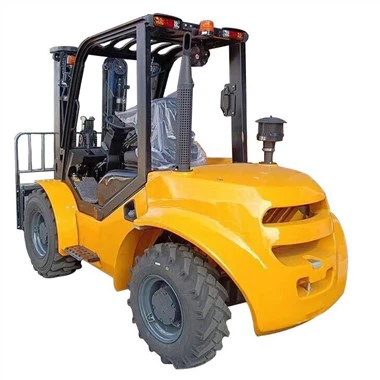 4WD Rough Terrain Diesel Forklift TruckRough Terrain Diesel Forklift 4wd is a full-time all-wheel-drive forklift that can operate over rough terrain, making it ideal for outdoor applications such as construction sites, mines and loggingAdd to Inquiry
 -
 3.5 Ton Outdoor Material Handling Diesel ForkliftModel:FD35A. Load capacity:3500KG. Lift Height:3000mm. Fork Length:1070mm. Load center:500mm. Engine:XINCHAI/ISUZU/MITSUBISHIAdd to Inquiry
 -
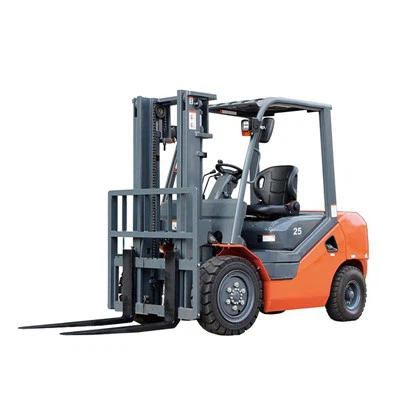 2.5 Ton Container Diesel Forklift with Free Lift MastModel:FD25A. Load capacity:2500KG. Lift Height:3000mm. Fork Length:1070mm. Load center:500mm. Engine:XINCHAI/ISUZU/MITSUBISHI.Add to Inquiry
 -
 2 Ton Counterbalanced Diesel Forklift TruckModel:FD20A. Load capacity:2000KG. Lift Height:3000mm. Fork Length:1070mm. Load center:500mm. Engine:XINCHAI/ISUZU/MITSUBISHIAdd to Inquiry
 -
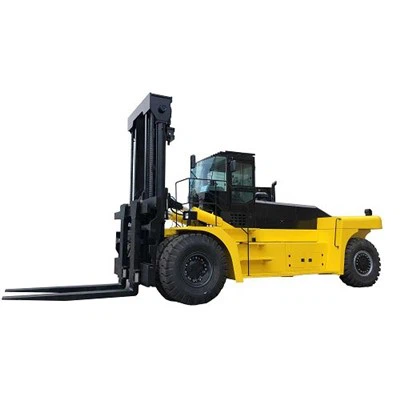 42 Ton Heavy Duty Large Capacity Diesel ForkliftModel:FD420. Name:42ton diesel forklift. Load capacity:42000KG. Lift Height:3000mm. Load center:1225mm. Engine:YUCHAI/ WEICHAI/ COMMINSAdd to Inquiry
 -
 35 Ton Heavy Duty Diesel Lift Forklift TruckModel:FD350. Name:35 ton diesel forklift. Load capacity:35000KG. Lift Height:3000mm. Load center:1220mm. Engine:YUCHAI/ WEICHAI/ COMMINSAdd to Inquiry
 -
 32 Ton Heavy Duty Diesel Material Handling ForkliftModel:FD320. Name:32 ton diesel forklift. Load capacity:32000KG. Lift Height:3000mm. Load center:1220mm. Engine:YUCHAI/ WEICHAI/ COMMINS.Add to Inquiry
 -
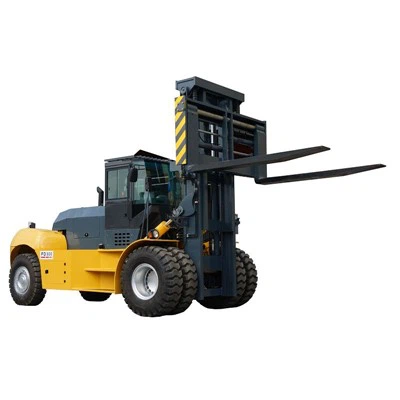 30 Ton Heavy Equipment Diesel Forklift TruckModel:FD300. Name:30 ton diesel forklift. Load capacity:30000KG. Lift Height:3000mm. Load center:1220mm. Engine:YUCHAI/ WEICHAI/ COMMINSAdd to Inquiry


- Tel: +86-571-86960886
- Email: info@nuoshington.com
- Add: No. 100, No. 18 Street, Hangzhou Economic And Technological Development Zone, Zhejiang Province, China
Scenarios of diesel forklift trucks
Diesel forklifts are an essential tool in the world of industrial and logistical operations. They are used for lifting, moving, and carrying heavy loads of materials and products in warehouses, distribution centers, docks, and many other facilities. These machines are the backbone of any material handling operation as they provide a safe, efficient, and reliable way to transport goods over short distances.
Diesel engines can deliver high levels of torque, making them ideal for lifting and carrying heavy loads. This allows operators to move goods quickly and with minimal effort. The diesel engine also provides reliable performance in harsh environments, making it an excellent option for outdoor operations.
Why Choose Us
Competitive prices
Our prices are highly competitive, making our products affordable for a wide range of customers.
Wide range of products
We offer a broad range of products from different categories, making it a one-stop-shop for customers. From electronics to home essentials, we have it all.
Exceptional customer service
Our customer service team is available to assist customers with any inquiries or issues they may have. We strive to provide excellent service to ensure customer satisfaction.
Quality products
We only sell high-quality products, ensuring that our customers get value for their money. We also have a strict quality control process to ensure that all our products meet the required standards.
Types of Diesel Forklift
Reach trucks
Reach trucks are used for high-density storage and are designed to reach high shelves and racking systems. They have long masts and forks that can extend to reach high shelves. - Remove this.
Sideloaders
Sideloaders are designed to pick up and carry loads from the side, making them ideal for use in tight spaces and narrow aisles.
Articulated forklifts
Articulated forklifts are characterized by their articulating design, which allows them to maneuver in tight spaces and access hard-to-reach areas.
ounterbalance forklifts
These are the most common type of diesel forklifts and are used for general material handling purposes. They are equipped with a counterweight that balances the load, allowing for stable and precise operation.
Rough terrain forklifts
Rough terrain forklifts are designed to handle rough or uneven surfaces and are commonly used in outdoor construction sites and landscaping applications. They have large pneumatic tires and powerful engines to handle tough conditions.
Warehouse diesel forklift
The warehouse forklift is mainly used for loading and unloading goods in the warehouse. Because of their compact structure, flexible movement, light weight and good environmental performance, they are widely used in the storage industry.
Application of Diesel Forklift
Warehousing and Logistics
Forklifts are essential for efficient operations in warehousing and logistics as they help speed up the movement of goods, reduce labor costs and increase productivity.
Construction sites
They are also used for digging and removing debris from the site. Forklifts come in different sizes and lifting capacities to cater to the varied needs of the construction site.
Agriculture
They are also more durable and reliable, making them ideal for use in the tough and demanding conditions on farms. Additionally, many farms have limited access to electricity, and diesel forklifts can operate without the need for an electrical supply.
Ports and Docks
These forklifts are used to move shipping containers from cargo ships to the dock and then to storage areas. They are the primary tool used for handling containers, which are typically too large and heavy to be moved manually.
Mining
They can also be used in moving large rocks or digging materials from one place to another. Forklifts in mining sites are crucial in ensuring smooth operations and efficient movement of heavy equipment.
Military
Diesel forklifts can also handle heavy loads with ease, making them ideal for moving equipment and vehicles in and out of transport containers and on and off transport trucks. They are also used in warehouse environments to load and unload military supplies and equipment from storage spaces and onto transport vehicles.

Advice for Diesel Forklift Maintenance
Keep your diesel forklift fully fueled and try not to let it run out completely.
As part of your daily operational inspection, be sure to check that the oil and water levels are at the required levels.
Pay attention to the warning lights and make sure the forklift's electrical installation is fully functioning.
Do not leave the forklift unused for long periods of time. This may cause problems the next time you try to boot.
Do not leave your diesel forklift in cold or harsh conditions for extended periods of time. Although forklifts are suitable for outdoor use, it is best to park your forklift in a sheltered area when not in use.
Do not allow your forklift engine to overheat in warm conditions. Pay attention to the warning lights and allow the vehicle to cool if it gets too hot.
Keeping your forklift clean is an important part of proper maintenance and preventing breakdowns. If allowed to accumulate, dirt and debris can get into the vehicle's mechanics.
Development Trend of Fuel Forklifts
Diesel forklifts are popular in industrial settings because of their durability, efficiency and power. The current trend for diesel forklifts is to make them more environmentally friendly and fuel-efficient. Manufacturers are leveraging technology to improve engines' fuel consumption and reduce emissions. These innovations include the use of Tier 4 technologies that significantly reduce emissions.
Another trend is the adoption of more advanced safety features such as cameras, sensors and automatic shut-offs in the event of a hazard. Connectivity capabilities and data analytics are also becoming increasingly important in forklifts, allowing managers to monitor and optimize their fleets remotely. .

Process of Diesel Forklift
Starting
The diesel forklift is started by inserting a key in the ignition and turning it. The operator then starts the engine by pressing the accelerator.


Lifting
The operator positions the diesel forklift in front of the load and raises the forks using the hydraulic system. The forks are then slid under the load.
Carrying
The diesel forklift moves forward while carrying the load. The operator can steer the forklift using the steering wheel and adjust the speed using the accelerator and brake pedals.


Unloading
The diesel forklift is positioned in front of the designated unloading area. The operator then lowers the forks using the hydraulic system and slides them out from under the load.
Refueling
When the fuel gauge indicates that the diesel forklift needs refueling, the operator will park it in a designated fueling area. The diesel fuel tank is filled with diesel fuel using a fuel pump nozzle.


Stopping
The diesel forklift is stopped by pressing the brake pedal and turning off the ignition. The operator then lowers the forks and parks the forklift in a designated parking area.
Tips For Saving Fuel When Operating A Diesel Forklift
Sudden acceleration and deceleration will require 40% more fuel consumption than usual. In addition, within a short period of time, the engine cannot fully burn this fuel, causing emissions to increase by up to 5 times, causing environmental pollution. It can also lead to unexpected workplace accidents.
Under-inflated tires cause a forklift to consume approximately 6% more fuel due to increased friction with the road surface. In addition, worn tires that exceed the prescribed standards will also consume about 0.4% of fuel. Although it is not too much, in the long run, it will affect related accessories.
The forklift should run smoothly and avoid repeated braking, emergency braking, and continuous acceleration and deceleration to reduce fuel consumption. It is recommended to run the forklift at 80% throttle regularly.
Frequent and continuous use of the brakes will not only cause rapid wear of the brake pads and wheels, but also increase fuel consumption. Therefore, customers should use less brakes and instead slowly drift the forklift to the desired stop location.
The engine is the most important component of a forklift, and its working quality largely depends on the engine. Customers need to pay attention to regular maintenance of the truck, check whenever there are signs of abnormality, and don't forget to check the hydraulic pump system.
Each type of forklift has its own capacity, specified by the manufacturer. Overloading should not cause the engine to operate at maximum capacity, as this will consume more fuel, wear tires more quickly, and create unsafe risks for the operator and cargo.
Similar to load regulations, forklifts also have speed limits. Speeding can also cause fuel consumption, reduce engine life, and be dangerous in the work environment.
Diesel forklifts require the same suitable engine oil to operate smoothly and save fuel. Normally, diesel forklifts use engine oil products with a viscosity of 50, but when the forklift operates in harsh climate conditions and high temperatures, the index can be as high as 60.
Some experts say keeping your air filter clean can save up to 10% of material. Operators need to regularly check, clean, avoid dust, and consider replacing new filters when necessary.
Components of Diesel Forklift
Spread
The transmission system controls the speed and torque of the forklift, ensuring smooth and precise control.
Fork
The fork is the horizontal part of the forklift that supports the load. Forks are available in different lengths and widths depending on the application.
Tires
Tires are an important part of a forklift, providing traction and stability. Depending on the application, forklifts can be equipped with pneumatic, solid or cushioned tires.
Fuel tank
Diesel forklifts have a fuel tank that stores diesel fuel to power the engine.
Engine
The diesel engine is the heart of a forklift, providing the power needed to lift heavy loads. Diesel engines are known for their excellent torque and fuel efficiency, making them ideal for heavy-duty applications.
Mast
The mast is the vertical component of a forklift that supports the load and raises and lowers it. The mast is made up of several components, including the lifting cylinder, hydraulic hoses and chains.
Counterweight
Counterweights are heavy metal counterweights that are mounted on the back of the forklift. It provides stability and prevents the forklift from tipping over when lifting heavy loads.
Cab
The cab is the area in a forklift where the operator sits. It includes the control panel, steering wheel and other necessary controls and indicators.

Diesel forklifts are commonly made of sturdy materials such as steel and aluminum. The frame and other important components are typically made of steel, while the body and other non-structural parts may be made of aluminum or other lightweight materials. The tires are usually made of rubber, and the various hydraulics systems are made of a combination of materials including steel, rubber, and plastic. Overall, diesel forklifts are designed to be durable, reliable, and long-lasting, which is why they are a popular choice in many industrial settings.
Our Factory


Our certificate


Factory video
FAQ
Q: What is a diesel forklift?
Q: How does a diesel forklift work?
Q: What are the advantages of diesel forklifts?
Q: What is the maximum weight that a diesel forklift can lift?
Q: How to maintain a diesel forklift?
Q: Can diesel forklifts be used indoors?
Q: What is the service life of a diesel forklift?
Q: Can a forklift be powered by diesel?
Q: How often should a diesel forklift be serviced?
Q: How much fuel does a diesel forklift use per hour?
Q: How fast can a diesel forklift go?
Q: Can you use a diesel forklift in a warehouse?
Q: How do you calculate forklift diesel consumption?
Q: Does a diesel forklift produce clean emissions?
Q: Is gas or diesel forklift better?
Q: Is 15000 hours a lot for a forklift?
Q: When should you use braking to stop a forklift?
Q: What not to do on a forklift?
Q: What is the difference between electric forklift and diesel forklift?
Q: How much does a diesel forklift weight?
We're well-known as one of the leading diesel forklift manufacturers and suppliers in China. Please rest assured to buy high quality diesel forklift made in China here from our factory. For price consultation, contact us.
5 Ton Diesel Forklift, Industrial Counterbalance Forklifts, Heavy Diesel Forklift