

Electric Hoist
An electric hoist is a type of lifting device that uses an electric motor and cable or chain to lift heavy loads. It is commonly used in industrial settings for lifting and moving heavy objects such as crates, machinery, and equipment. Electric hoists come in a variety of shapes and sizes, and can be operated manually or with remote controls. They are designed to be safe and efficient, and can be used for both vertical and horizontal lifting applications.
Advantages of Electric Hoist
An electrically powered hoist enables you to carry items much quicker and with quiet ease. Unlike manual hoists which take a lot of time, the electric version gets the job done in no time.
Electric lifting devices usually have a high combined hoist and trolley combination, which may range from 100 to 200 pounds for the heavier machines. This comfortably allows you to undertake to lift of a wide range of loads.
Very little labor is involved when working with an electric hoist. This is because of the machine’s high carrying capacity and efficiency. It gives you significant savings on manpower over time. Along with the high-performance output, this makes it a cost-effective investment.
Electric lifting devices give you more versatility as you work. They allow you to lift heavy loads vertically as well as pull the load sideways. Some hoists only allow vertical movement. The electric hoist offers you both vertical and horizontal movement which adds to its functionality.
Electric-type hoists can serve you for several years if well maintained. A regular maintenance and inspection schedule helps to keep the machine in good shape, especially when frequently used. Both manual and hydraulic hoists are subject to a high rate of wear and tear.
-
 Heavy Duty Electric Lever Hoist WinchPermanent magnet frequency conversion technology, stable lifting and falling without shaking. Intelligent integrated control appliances can save energy by more than 45%. Electrical control 4v lowAdd to Inquiry
 -
 240v Electric HoistOverload and overheat protection can ensure safe and durable, and high and low speed can be switched at will, which make the machine suitable for different scenariosAdd to Inquiry
 -
 Electric Chain Hoist with Winch Crane FunctionPermanent magnet frequency conversion technology, stable lifting and falling without shaking. Intelligent integrated control appliances can save energy by more than 45%. Electrical control 4v lowAdd to Inquiry
 -
 500kg-1000kg Electric Scaffold Winch Wire Rope Hoist1000kg 1600W 12m Electric Scaffold Winch Lifting Crane Wire Rope Hoist Permanent magnet frequency conversion technology, stable lifting and falling without shaking. intelligent integrated controlAdd to Inquiry
 -
 Electric Scaffold Winch Crane Wire Rope Hoist1000kg 1600W 12m Electric Scaffold Winch Lifting Crane Wire Rope Hoist Permanent magnet frequency conversion technology, stable lifting and falling without shaking. intelligent integrated controlAdd to Inquiry
 -
 1000kg 1600W 12m Electric Scaffold Winch Hoist1000kg 1600W 12m Electric Scaffold Winch Lifting Crane Wire Rope Hoist Permanent magnet frequency conversion technology, stable lifting and falling without shaking. intelligent integrated controlAdd to Inquiry
 -
 Pallet Forklift Truck with Built-in Weighing ScalePermanent magnet frequency conversion technology, stable lifting and falling without shaking. Intelligent integrated control appliances can save energy by more than 45%. Electrical control 4v lowAdd to Inquiry
 -
 Electric Wire Rope Hoist and Winch CranePermanent magnet frequency conversion technology, stable lifting and falling without shaking. Intelligent integrated control appliances can save energy by more than 45%. Electrical control 4v lowAdd to Inquiry
 -
 Electric Hoist Winch Crane for Construction,Manufacturing...Permanent magnet frequency conversion technology, stable lifting and falling without shaking. Intelligent integrated control appliances can save energy by more than 45%. Electrical control 4v lowAdd to Inquiry
 -
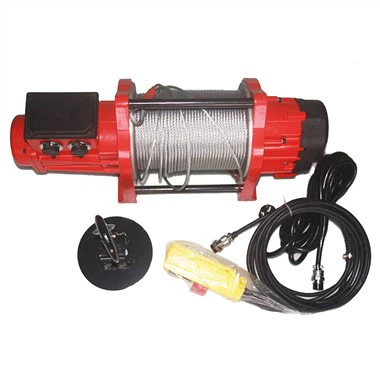 Electric Wire Rope Hoist 2 TonOverload and overheat protection can ensure safe and durable, and high and low speed can be switched at will, which make the machine suitable for different scenariosAdd to Inquiry
 -
 High Capacity Electric Chain HoistLight aluminum alloy shell shall be adopted which is light but hard and fit for the use in the terrible work environment with a high heat dissipation rate and all tightness design.Add to Inquiry


- Tel: +86-571-86960886
- Email: info@nuoshington.com
- Add: No. 100, No. 18 Street, Hangzhou Economic And Technological Development Zone, Zhejiang Province, China
Why Choose Us
Competitive prices
Our prices are highly competitive, making our products affordable for a wide range of customers.
Wide range of products
We offer a broad range of products from different categories, making it a one-stop-shop for customers. From electronics to home essentials, we have it all.
Exceptional customer service
Our customer service team is available to assist customers with any inquiries or issues they may have. We strive to provide excellent service to ensure customer satisfaction.
Quality products
We only sell high-quality products, ensuring that our customers get value for their money. We also have a strict quality control process to ensure that all our products meet the required standards.
Electric winch
An electric motor uses electricity to turn the drum and pull the cable or rope, allowing the winch to easily lift or move heavy objects.
Wire rope electric hoist
The wire rope electric hoist is a lifting equipment that uses an electric motor to lift and lower heavy objects using a wire rope.
Double drum electric hoist
A double drum electric hoist is a lifting machine with two drums used to lift and move heavy objects. These machines are powered by electric motors, which provide the necessary power to lift and lower heavy objects.
Electric chain hoist
The electric chain hoist is a kind of lifting equipment powered by an electric motor and uses a chain to lift and lower heavy objects.
Types of Electric Hoist
Mini electric hoists
Mini electric hoists are compact, light weight, and portable devices that are used to lift and move loads in various applications. These hoists typically have a lifting capacity of up to 1 ton and are commonly used in small workshops, garages, and construction sites.
Safety Measures When Using Electric Hoists

Correct operation method of limit switch
One of the most common mistakes made by electric chain hoist operators is the frequent use of limit switches. This can cause localized wear and damage to the limit switch. Limit switches are for emergency use and are not suitable for regular use. Regular use of them may cause the internal functioning of the hoist to be disrupted.
Someone is present during the lifting process
It is important to ensure that no one is standing under the load during lifting. Personnel around loads and equipment must wear necessary safety equipment such as helmets, gloves and safety shoes. This will reduce the risk of worker injury and load damage.
Correct positioning of the load
When operating an electric chain hoist, the position of the load must be checked. The load should be placed vertically under the hoist and the hoist should not be lifted at an angle as this may damage the hoist's internal components. Therefore, before lifting loads, make sure they are correctly positioned and connected to the hooks.
Never ride on the load
Operators or workers in manufacturing units should never ride on the load while lifting it. This adds extra stress to the machine and may cause failure. If this happens, not only are workers at risk of injury, but the machinery can also be damaged.
Avoid using a hoist that exceeds its lifting capacity
Every electric chain hoist has a specified safe working load capacity for lifting heavy objects, which means when operating an electric chain hoist it is important to ensure that the limit is not exceeded at any cost.
Application of Electric Hoist
Construction industry
In the construction industry, where large, heavy materials such as steel beams, concrete blocks and precast structures are common, electric hoists provide the power needed to lift and place efficiently.
Manufacturing factory
In manufacturing plants, especially those with assembly lines, electric hoists play a key role in the seamless movement of components. From automotive production to electronics assembly, these cranes facilitate precise positioning of parts and facilitate efficient assembly processes.
Warehousing and logistics
Electric hoists assist in the movement of pallets and goods, ensuring fast, controlled lifting, lowering and positioning. Automatic storage and retrieval systems often include electric hoists for precise stacking and retrieval of goods. The ability to control the vertical movement of loads improves the efficiency of warehouse operations. efficiency.
Automobile workshop
Automotive workshops rely on electric hoists to lift and position heavy components such as engines, gearboxes and chassis. This facilitates efficient repair and maintenance operations, reduces manual labor and speeds up the process. This ensures precision in the assembly process and helps improve the finished product overall quality.
Entertainment industry
In the entertainment industry, electric hoists are used in stage construction and rigging. They are used to lift and position lighting equipment, sound systems and stage props to achieve dynamic and visually stunning performances.
Aerospace industry
In the aerospace industry where precision is critical, electric hoists help move aircraft components during assembly and maintenance processes. Electric hoists play a role in aircraft engine maintenance, lifting and positioning heavy engine components for inspection, repair and replacement. Important Role.
Factors to Consider When Choosing an Electric Hoist.
Load capacity
Different types of hoists have different load capacities. The rule of thumb is to make sure your load never exceeds the rated capacity at any time. Overloading will not only damage the equipment, but also endanger site safety.
Increase height
The lifting height refers to the maximum distance between the ground and the hook when the hoist is stationary. Consider the distance between the hook when it is raised and lowered. Also, remember to consider headroom, which is the distance between the hoist suspension and the hook when raised.
Environment and conditions
Lifting conditions play a vital role in guiding you as to which type of crane you should use. For example, air-operated hoists are better suited for hazardous, fast-paced environments because they are explosion-proof and have a 100% duty cycle. Before adding a crane to your cart, think carefully about where you will be using it.
Maintenance requirements
Before choosing which type of lifting equipment, make sure you are comfortable using that type of lifting equipment. If you don't know what to choose, discuss your options with your rigging hoist supplier.
Easy to use
Before choosing which type of lifting equipment, make sure you are comfortable using that type of lifting equipment. If you don't know what to choose, discuss your options with your rigging hoist supplier.
Assembly
The electric hoist is assembled by connecting the motor, gearbox, and lifting mechanism. The hoist is then mounted to a beam or frame.
Power Supply
An electric hoist requires a power supply to operate. The power supply can either be a direct current (DC) or alternating current (AC).
Lifting Mechanism
The lifting mechanism consists of the wire rope or chain and the lifting hook. The wire rope or chain is wrapped around a drum that is attached to the motor. When the motor rotates, the wire rope or chain is pulled, and the load is lifted.
Control System
The electric hoist has a control system that allows the operator to control the lifting and lowering of the load. The control system can be a wired pendant or a wireless remote control.
Safety Features
An electric hoist is equipped with safety features such as overloading protection, emergency stop button, and limit switches. These features ensure the safety of the operator and prevent damage to the hoist.
Components of Electric Hoist

Electric motor
At the heart of an electric hoist is the electric motor, the powerhouse that converts electrical energy into mechanical energy. The motor’s design and efficiency play a crucial role in determining the overall performance of the hoist.
Gearbox
The gearbox serves as the transmission system, converting the high-speed rotation of the motor into slower, higher torque rotational force. This ensures that the hoisting mechanism operates effectively and safely.

Lifting mechanism
The lifting mechanism is the part responsible for the actual hoisting of loads. It can take the form of wire ropes, chains, or cables, each tailored to specific applications based on factors such as load capacity and environmental conditions.
Brake system
Safety is paramount in the design of electric hoists, and the brake system plays a critical role in ensuring controlled and secure load handling. Various brake types, including electromagnetic brakes, are incorporated to prevent unintended movements and ensure stability during operation.

How to Maintain Electric Hoist
Regular inspection
Regular inspection is the most important step to maintain electric hoist in a functional way. Regular inspection helps to find out the potential problems before they turn into a major problem.
Lubrication
Proper lubrication helps to maintain the electric hoist by reducing the friction and wear of the moving parts. Lubricant should be applied to the following parts of the electric hoist:Gears and Sprocket、Bearing、Bushings、Wire ropes.
Electrical inspection
Along with regular inspection, it is important to inspect the electrical components of the electric hoist to make sure they are working properly. Check the switches, fuses, breakers, and other electrical components for any damages or problems.
Cleaning
Cleaning the electric hoist is also an essential part of maintenance. Dirty and dusty hoists can lead to rust, corrosion and damage to the moving parts. Regular cleaning helps to remove grime and other contaminants.
Proper usage
Always use the electric hoist according to its intended purpose. Overloading or misusing can cause serious damage to the hoist. Heavy and oversized loads should not be lifted using electric hoist.
Professional maintenance
Regular maintenance by a professional technician is also a good way to maintain the electric hoist. They can identify problems and provide the necessary repairs and replacement of parts.
Material of Electric Hoist
Steel
Electric hoists used in heavy-duty applications are usually made of steel. This is because steel is a strong and durable material that can withstand extreme loads and harsh environments.
Aluminum
Electric hoists made of aluminum are lightweight and easy to handle. They are commonly used in construction sites and workshops where portability and mobility are important.
Stainless steel
Electric hoists made of stainless steel are resistant to corrosion and rust. They are commonly used in food processing plants, chemical industries and marine environments.
Cast iron
Electric hoists made of cast iron are highly durable and resilient. They are commonly used in foundries and other heavy-duty industrial applications.
Plastic
Electric hoists made of plastic are lightweight and corrosion-resistant. They are commonly used in low-load applications and in the food and beverage industry.
Our Factory


Our certificate


Factory video
FAQ
Q: What is the electric hoist used for?
Q: What is the purpose of the hoist?
Q: What is the difference between an electric winch and an electric hoist?
Q: How does the hoist work?
Q: What is an electric hoist?
Q: How does the electric hoist work?
Q: What are the advantages of using an electric hoist?
Q: What types of electric hoists are there?
Q: How do I choose an electric hoist that suits my needs?
Q: How to maintain and repair electric hoist?
Q: Do you need to be trained to use a hoist?
Q: Can you use an electric winch as a hoist?
Q: What must you ensure you never do when using a hoist?
Q: Why is it unsafe for one person to use a hoist?
Q: What are the advantages of using a hoist?
Q: Can I use an electric hoist to pull horizontally?
Q: What is the difference between electric winch and electric hoist?
Q: What is the alternative to a hoist?
Q: Why can't you use a winch as a hoist?
Q: Can electric hoist be used as a winch?
We're well-known as one of the leading electric hoist manufacturers and suppliers in China. Please rest assured to buy high quality electric hoist made in China here from our factory. For price consultation, contact us.
