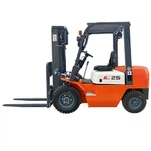


Forklifts are an important part of any warehouse or distribution center, helping to transport heavy goods efficiently. There are several types of forklifts on the market, depending on the fuel source, including electric, diesel, and gasoline. In this article, we will discuss the differences between diesel and gasoline forklifts and highlight the advantages of each.
Diesel forklifts are known for their ruggedness and long service life. They are designed to handle heavy loads and can run for long periods of time without taking a break. Diesel engines are more efficient than gasoline engines, consume less fuel, and are ideal for long-term operation. Diesel engines provide high torque, which is necessary to perform heavy lifting tasks, making them more suitable for heavy-duty operations.
In terms of fuel efficiency, diesel forklifts are more cost-effective than gasoline forklifts. The combustion process used in diesel engines delivers high power with relatively low fuel consumption, making it the right choice for users who need to run frequently and for long periods of time. The fuel efficiency offered by diesel engines makes them ideal for large warehouse environments where a constant supply of fuel is required.
Diesel engines are relatively quieter than gasoline engines, providing greater operator comfort. This is a critical factor in a warehouse environment, where noise levels can cause discomfort and impact overall productivity. Additionally, diesel engines emit less carbon than gasoline engines, making them environmentally friendly.
Gasoline forklifts are lighter than diesel forklifts and therefore easier to maneuver. They require less space to operate and can perform well in tight spaces. These forklifts are ideal for smaller warehouses where heavy lifting tasks are relatively light.