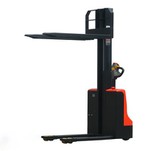


Forklifts are a common type of industrial equipment that are widely used in warehouses, factories, and other material handling scenarios. Due to their powerful functions and flexibility, it is particularly important to operate forklifts correctly and safely. Here are some key safety regulations for forklift operation:
1. Driver training
- Certification: The driver must hold a forklift driving certificate issued by the labor department.
- Familiarity with the equipment: Before operating a specific forklift, the driver should be familiar with its various operating characteristics.
2. Wear appropriate protective equipment
- Personal protective equipment: Wear appropriate personal protective equipment and avoid wearing loose clothing.
3. Comply with operating rules
- Fatigue driving is prohibited: When the driver is tired or distracted, the forklift should not be operated.
- Drunk driving is prohibited: It is prohibited to drive a forklift after using anesthetics or drinking.
4. Ensure a safe working environment
- Good road conditions and lighting: Ensure that the road conditions and lighting in the working environment are good.
- Clean workplace: The cab should be kept clean and avoid placing items that hinder operation.
5. Check the safety of the forklift
- Pre-start inspection: Make sure there is no one around the forklift and check whether all functions of the forklift are normal.
- Avoid obstacles: Avoid the forklift passing through baffles or obstacles scattered on the road.
6. Precautions during operation
- Slow operation: Avoid sudden starting, braking or turning to prevent the cargo from falling or the forklift from tipping over.
- Keep a safe distance: When driving in a narrow passage, someone should guide you; at an intersection or other places where the line of sight is blocked, you should stop first and ensure safety before driving.
7. Cargo handling
- Avoid overloading: The forklift can only carry cargo with a weight below the rated lifting weight.
- Ensure cargo stability: The cargo should be discharged safely and firmly, and the center of gravity of the cargo should be consistent with the center of the forklift.
8. Maintenance and care
- Regular inspection: Follow the instructions for use for daily and regular inspections.
- Timely maintenance: When the forklift is damaged or malfunctions, stop the operation immediately and perform maintenance.
9. Operation in special circumstances
- Avoid driving on soft surfaces: When driving on wet, slippery, uneven or inclined surfaces, the driving speed should be reduced.
- Use appropriate forks and pallets: Make sure the size and strength of the forks and pallets are suitable for the goods being transported.
10. Prohibited behavior
- Do not drive with the forks raised: When the forks are raised, the forklift should not be driven to prevent the goods from falling and the forklift from tipping.
- Do not work with the fork tips: Avoid pushing or lifting the goods with the fork tips.
By strictly complying with the above safety regulations, the risk of accidents during forklift operation can be effectively reduced, ensuring a safe and efficient working environment.