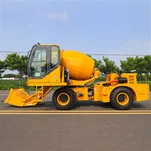


Maintenance of forklift clutch is an important part to ensure good performance and smooth operation of the forklift. Proper maintenance can not only extend the service life of the clutch, but also improve the overall working efficiency of the forklift. The following are some key points for forklift clutch maintenance:
1. Check the clutch assembly regularly
- Clutch pressure plate: Check whether the pressure plate has cracks or excessive wear. If there is obvious damage, it should be replaced in time.
- Clutch plate: Check the wear of the clutch plate. If the wear is serious, it needs to be replaced in time to avoid affecting the normal operation of the clutch.
- Release bearing: The release bearing is a key component in the clutch system and its working condition needs to be checked regularly. Make sure that the bearing is well lubricated and there is no abnormal noise or sticking.
2. Adjust the clutch clearance
- Free travel: The free travel of the clutch should generally be between 30-40 mm. If the free travel is too large or too small, it will affect the performance of the clutch.
- Disengagement stroke: The separation stroke should generally be between 15-25 mm. Proper separation stroke can ensure smooth separation and engagement of the clutch when shifting gears.
3. Lubricate the release bearing
- Release bearings work under high temperature and high speed conditions and are prone to damage. Regular lubrication of the release bearing can effectively extend its service life. It is recommended to use high-quality grease and lubricate according to the manufacturer's recommendations.
4. Test clutch performance
- Start the engine: After adjusting the clutch, start the engine, step on the clutch pedal, and perform the shift operation.
- Feel the engagement and disengagement: Check whether the clutch engages and disengages smoothly. If you feel abnormalities, such as slipping, incomplete disengagement, or shaking, further adjustment or inspection is required.
5. Precautions
- Clutch slippage: If the clutch is found to be slipping, you can tighten the adjustment screw appropriately to increase the pressure of the clutch pressure plate. However, the amount of adjustment each time should not be too large, and it should be tested step by step.
- Incomplete clutch disengagement: If the clutch is not completely disengaged, you can loosen the adjustment screw to reduce the pressure of the clutch pressure plate. Check the working condition of the release bearing after adjustment.
- Clutch tremor: Clutch tremor may be caused by wear of the clutch plate. Check the condition of the clutch plate and replace it if necessary. Ensure that the replaced clutch plate is of qualified quality.
6. Daily maintenance
- Cleaning: Regularly clean the dust and oil around the clutch to prevent impurities from entering the clutch system.
- Check the fluid level: Regularly check the fluid level and quality of the hydraulic oil to ensure the normal operation of the hydraulic system.
- Check the connectors: Check whether the connectors of the clutch system are tight to prevent looseness and cause failure.
In short, the maintenance of the forklift clutch requires patience and care, and strictly follows the specifications. Only by properly maintaining the clutch can the normal operation of the forklift be guaranteed, the work efficiency can be improved, and the service life of the forklift can be extended.